Controlled pressure. Constant reflection.
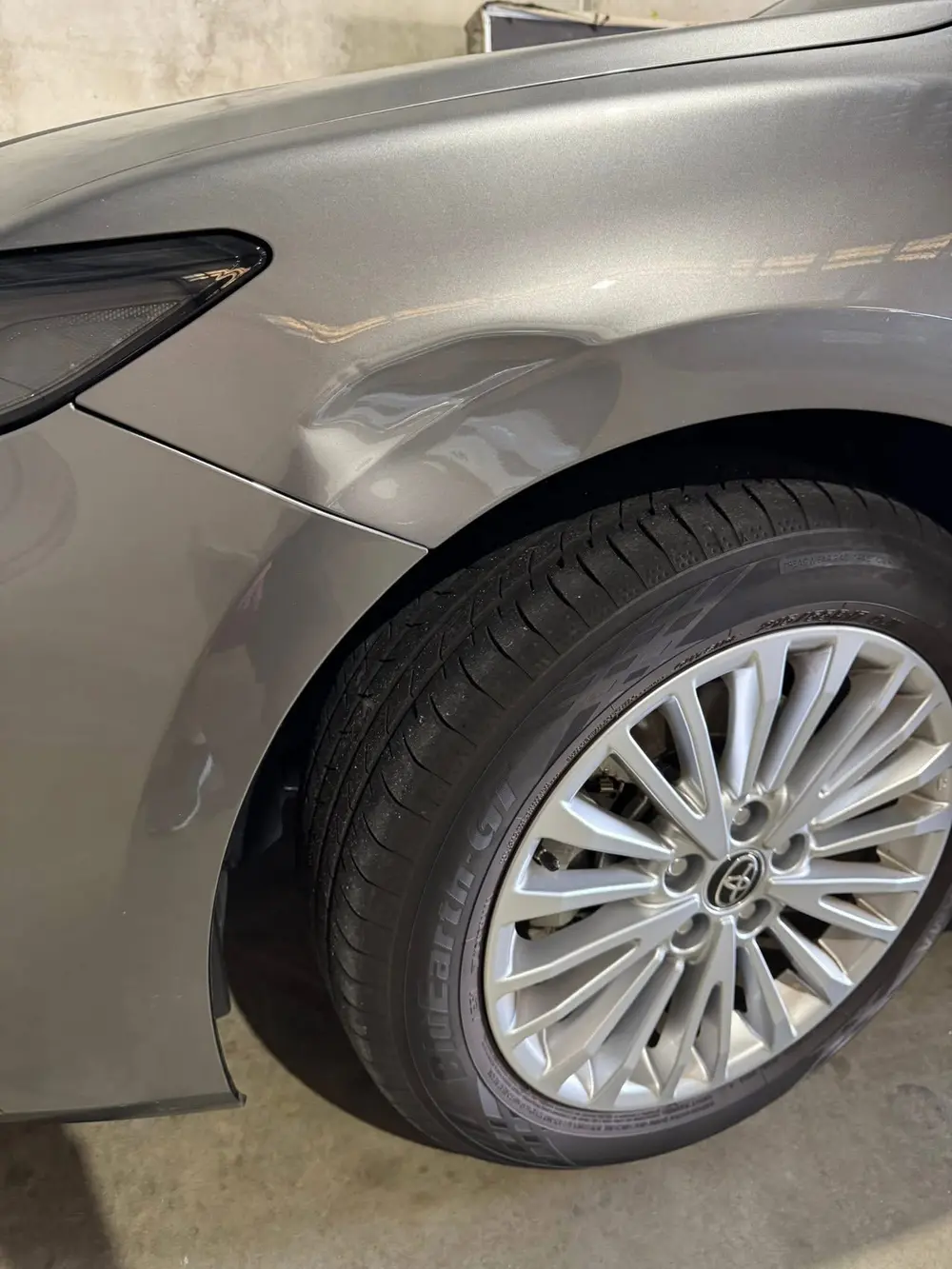
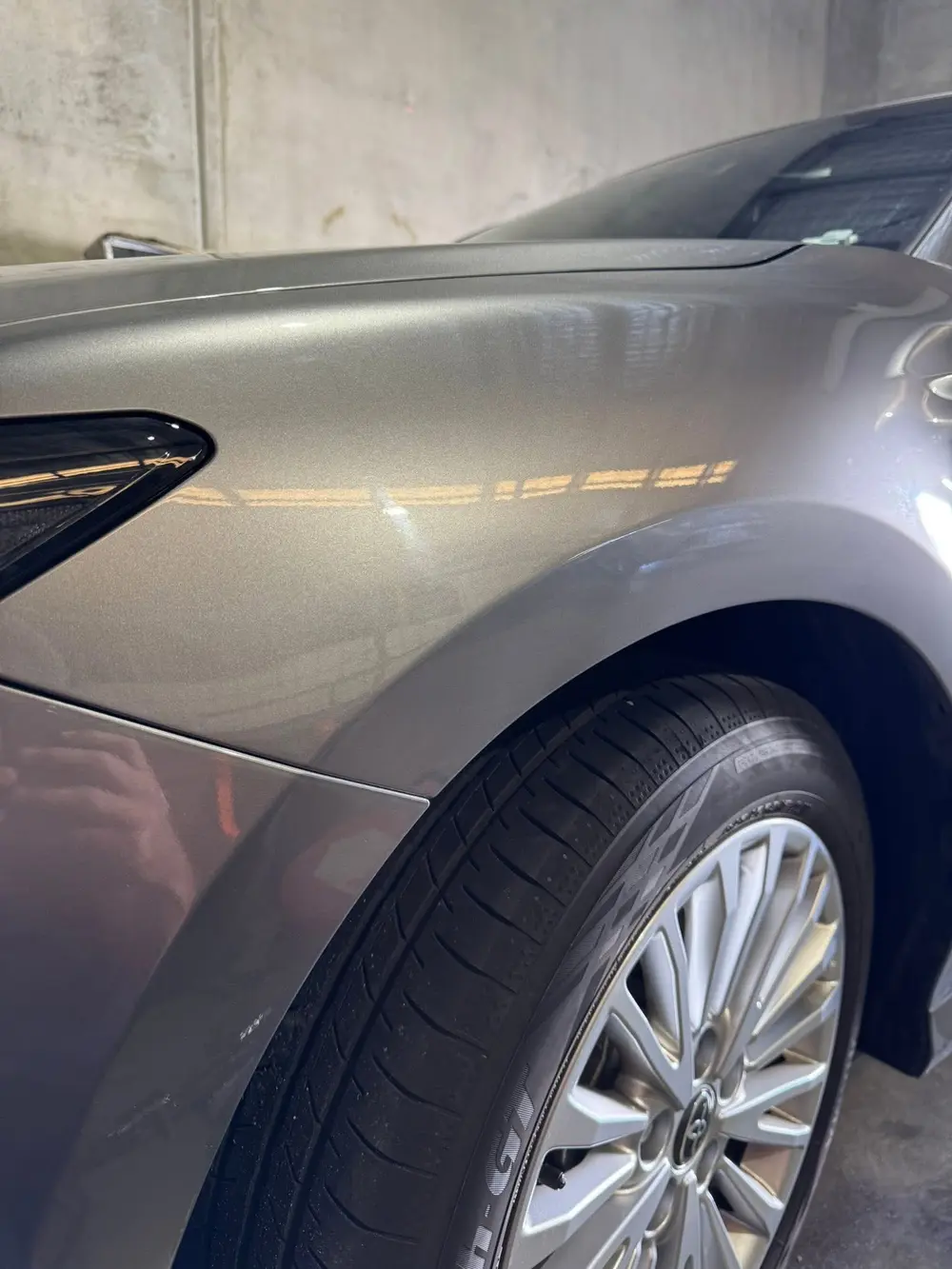
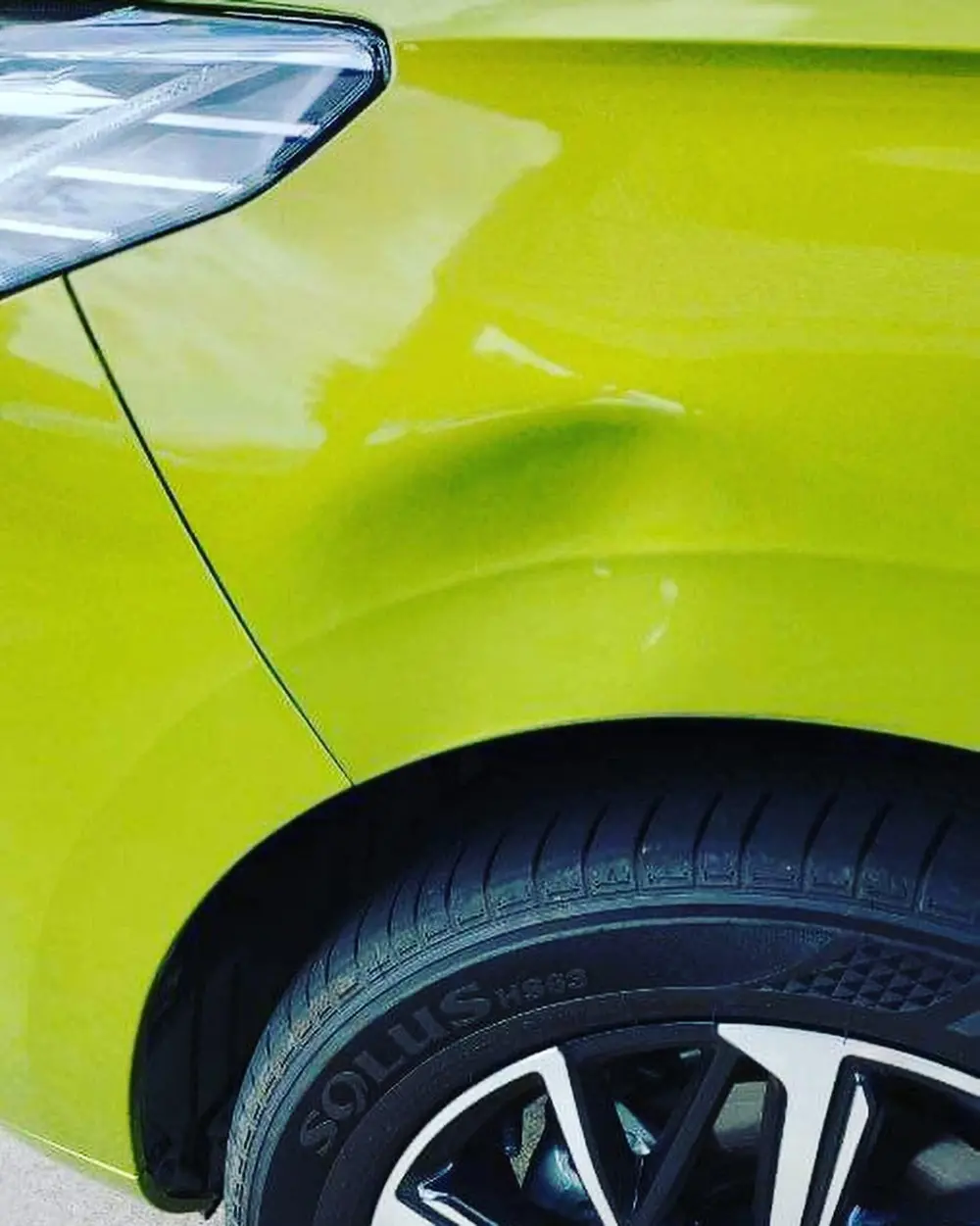
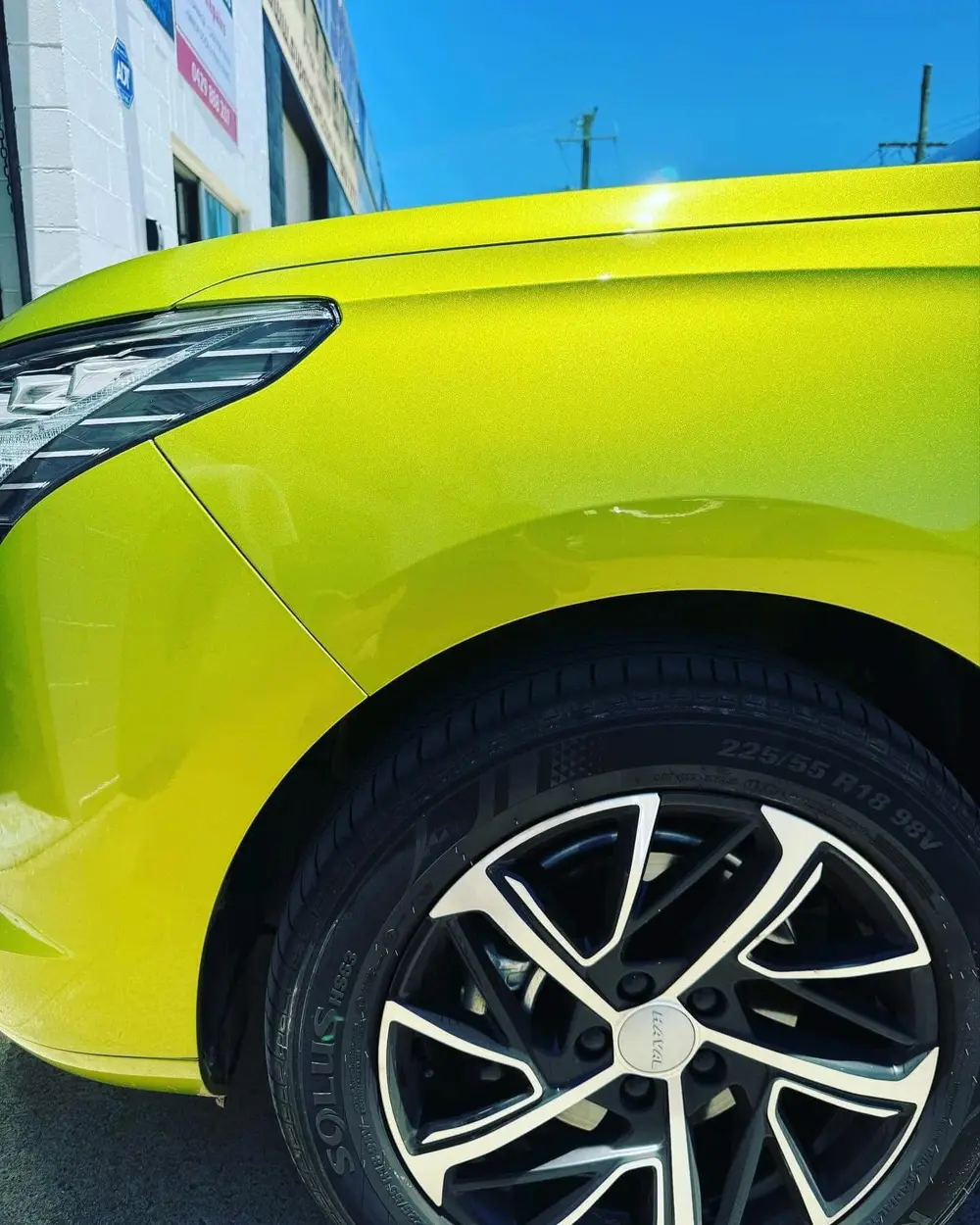
Paintless dent repair uses controlled access behind the panel—or carefully managed external pulling—to return stretched metal toward its original position. Specialist reflection lights show tiny changes in the panel surface throughout the process.
The repair is gradual. Dent depth, crown tension, bodyline shape, panel material and paint condition all affect the technique and time required.
Original paint
No colour matching or refinishing is needed on suitable repairs.
Less intervention
The damaged metal is repaired rather than filled and repainted.
Accurate lighting
Reflection lines reveal the panel shape while it is being restored.
Individual assessment
Not every dent is suitable; honest inspection comes first.
PDR or conventional dent repair?
PDR is considered when the existing paint and panel condition allow the metal to be reshaped safely. Cracked paint, severe stretching, earlier repairs or restricted tool access can change the repair options. An inspection is more useful than judging suitability from the apparent size of a dent alone.
For door dings and car park dents, we assess the individual impact. For hail damage, we inspect all affected panels because dents that are difficult to see in daylight can become clear under reflection lights.
What affects a PDR quote?
Depth, position, bodylines, panel material and access all affect the time and method. Request a PDR assessment with your vehicle details and a description of the damage. We’ll contact you to arrange an inspection, then confirm the suitable repair method and estimate.
See the dent repair photos below and our hail repair examples for genuine workshop results.